Compassionate Care for Your Smile
DENTAL IMPLANTS
WHAT ARE DENTAL IMPLANTS?
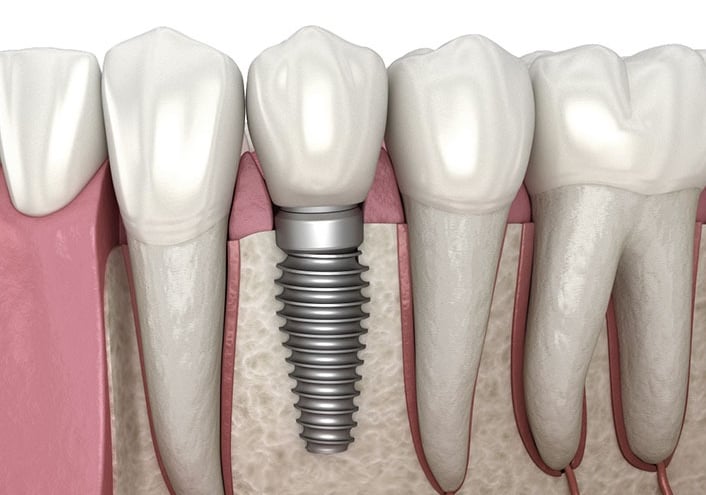
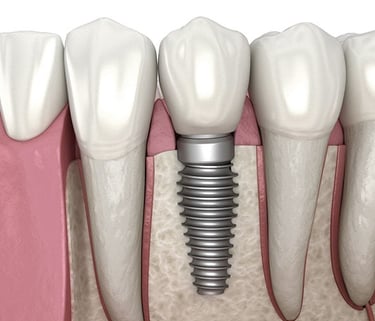
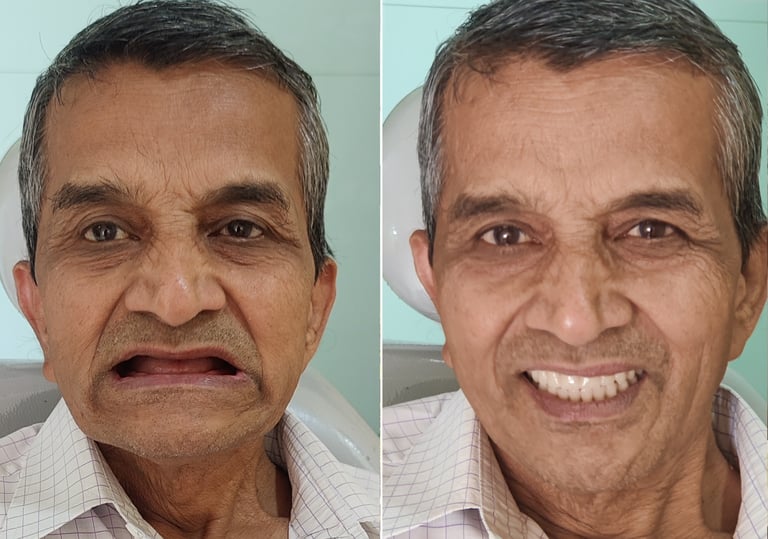
Dental implants are designed to provide a foundation for replacement teeth that look, feel and function like natural teeth. The person who has lost teeth regains the ability to eat virtually anything and can smile with confidence, knowing that teeth appear natural and that facial contours will be preserved. The implants are tiny titanium posts which are placed into the jaw bone where teeth are missing. The bone bonds with the titanium, creating a strong foundation for artificial teeth. In addition, dental implants can help preserve facial structure, preventing the bone deterioration which occurs when teeth are missing.
Dental implants are changing the way people live! With them, people are rediscovering the comfort and confidence to eat, speak, laugh and enjoy life..
ABOUT THE DENTAL IMPLANT PROCEDURE
Dental implants are metal anchors, which act as tooth root substitutes. They are surgically placed into the jaw bone. Small posts are then attached to the implant, which protrude through the gums. These posts provide stable anchors for artificial replacement teeth.
For most patients, the placement of dental implants involves two surgical procedures. First, dental implants are placed within your jaw bone. For the first three to six months following surgery, the implants are beneath the surface of the gums, gradually bonding with the jaw bone. You should be able to wear temporary dentures and eat a soft diet during this time. At the same time, your restorative dentist designs the final bridgework or denture, which will ultimately improve both function and aesthetics.
After the dental implant has bonded to the jaw bone, the second phase begins. The surgeon will uncover the implants and attach a small healing collar. Dr. Prasad and Dr. Siddhi can then start making your new teeth. An impression must be taken. Then posts or attachments can be connected to the implants. The replacement teeth are then made over the posts or attachments. The entire procedure usually takes 3 to 6 months. Most patients do not experience any disruption in their daily life.
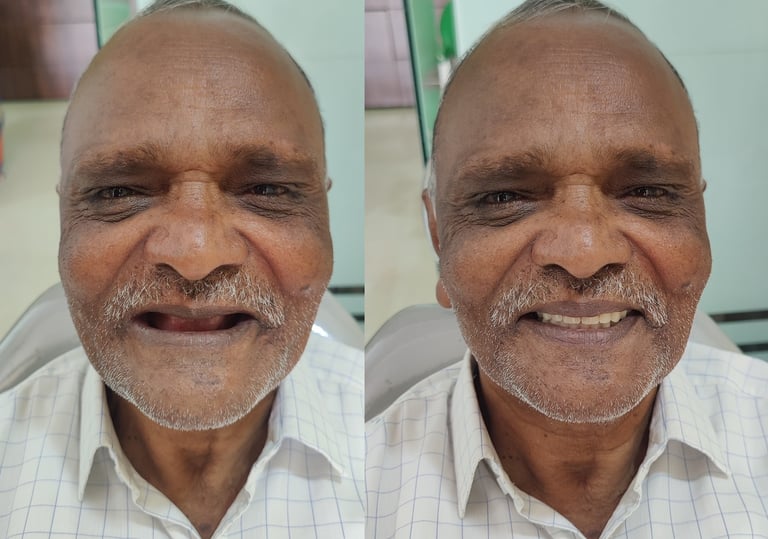
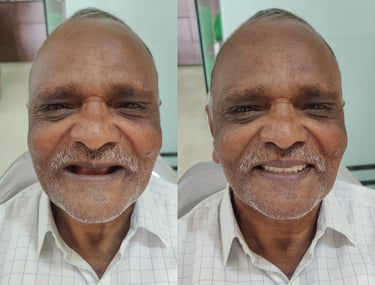
A smile makeover consists of one or more treatments that can be used to improve the way a patient's teeth look. However, the benefits that come with a smile makeover go way beyond improving the patient's smile. You also get to enjoy a nice confidence boost as you enjoy your newly-crafted smile. This can have a significant impact on your personal and professional life.
Here are other benefits patients can enjoy after a smile makeover:
1. Make a great first impression
When a patient's smile is restored with a smile makeover, they no longer have to worry about such things. They can smile confidently when they meet others and not always have to think of creative ways to hide their smile.
2. Confidence boost
It is impossible to overstate how far confidence can take a person in life. A fantastic smile can give people a noticeable confidence boost that makes them more willing to interact with others since they feel so good about their appearance.
3. Improved overall health
Smiling goes way beyond making you appear friendly or confident. Smiling can be good for a person's mental health, as well as their overall health. It actually takes significantly less effort to smile than to put a frown on one's face.
4. Pearly white teeth
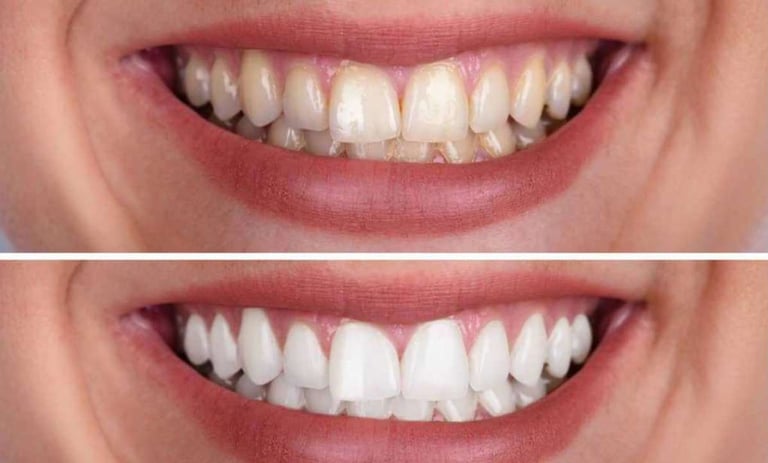
Anyone can have a wonderful smile worthy of celebrity red carpets. Thanks to innovations in dentistry, there are many ways to remove stains and discoloration from a patient's teeth. A whitening procedure performed by a dentist can improve the color of the patient's teeth by up to 10 shades after a single session.
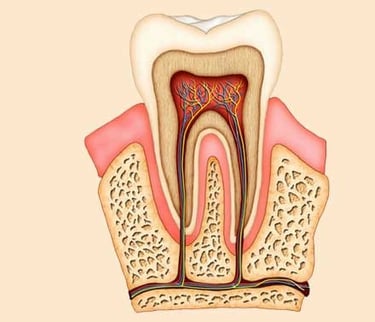
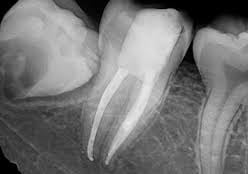
A root canal treatment is a dental procedure to remove inflamed or infected pulp on the inside of the tooth which is then carefully cleaned and disinfected, then filled and sealed. Root canal treatment is designed to eliminate bacteria from the infected root canal, prevent reinfection of the tooth and save the natural tooth.
Steps:
Root canal therapy is done in three steps, and it takes between one and three sessions to complete.
1. Cleaning the root canal
First, the dentist removes everything that is inside the root canal. With the patient under local anesthesia, the dentist makes a small access hole on the surface of the tooth and removes the diseased and dead pulp tissue with very small files.
2. Filling the root canal
After root canal therapy, the tooth is dead. The patient will no longer feel any pain in that tooth because the nerve tissue has been removed, and the infection has been eliminated.
3. Adding Filling or a Crown
However, the tooth will be now more fragile than it was before. A tooth with no pulp must receive its nourishment from the ligament that attaches the tooth to the bone. This supply is adequate, but in time, the tooth will become more brittle, so a crown or filling offers protection..
Root canal therapy will usually save the tooth and eliminate the pain.
If the tooth cannot be saved, the next best option is an implant.
However, saving the natural tooth is best, if possible, because nothing functions as well as a natural tooth.
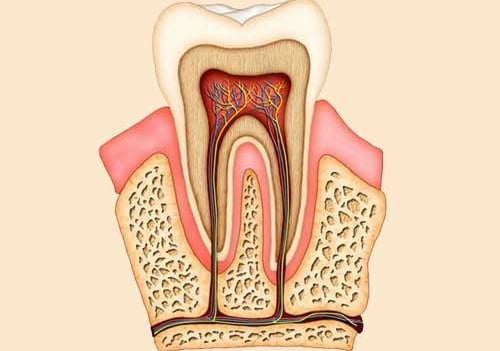
Root Canal Treatment
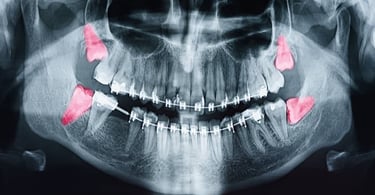
Everyone knows someone who has had their wisdom teeth removed. The prospect of growing new teeth and having them pulled is unwelcome at any age, but we seem to balk at it more and more the older we get. New tooth growth is something that we traditionally associate with children; many would be surprised to learn that most people often don’t finish growing their wisdom teeth until they reach adulthood.
This is just one of many common myths that surround wisdom teeth. At Dentcity Dental Clinic, we’ve seen all too often how these misconceptions scare people from getting the dental care they need.
5 Common Misconceptions About Wisdom Teeth Remove
Here are five of the most common wisdom teeth misconceptions, debunked:
1. Only Teenagers Need Wisdom Teeth Removed
As we mentioned earlier, most people don’t finish growing their wisdom teeth until their twenties – well into adulthood. In fact, there are many teens who do need their wisdom teeth removed, especially if they have braces and experience crowding along the jaw.
2. Pain with a Wisdom Tooth Is Normal and Can Be Ignored
Pain caused by a wisdom tooth can sometimes be hard to identify, especially before it comes through the gums. It is often described as a dull pain or pressure in the back of the jaw and can sometimes be accompanied by headaches. This pain and discomfort are normal – in the sense that many people experience it – but that does not mean that it should be ignored.
3. Everyone Will Need All Four Wisdom Teeth Removed
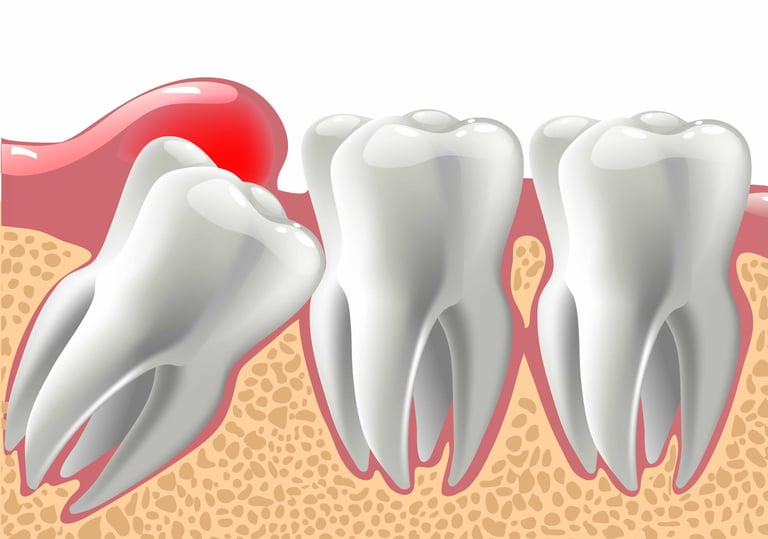
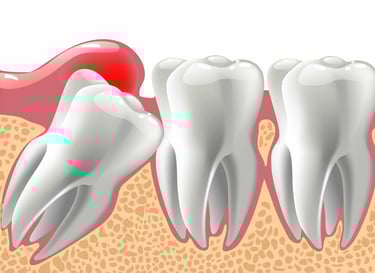
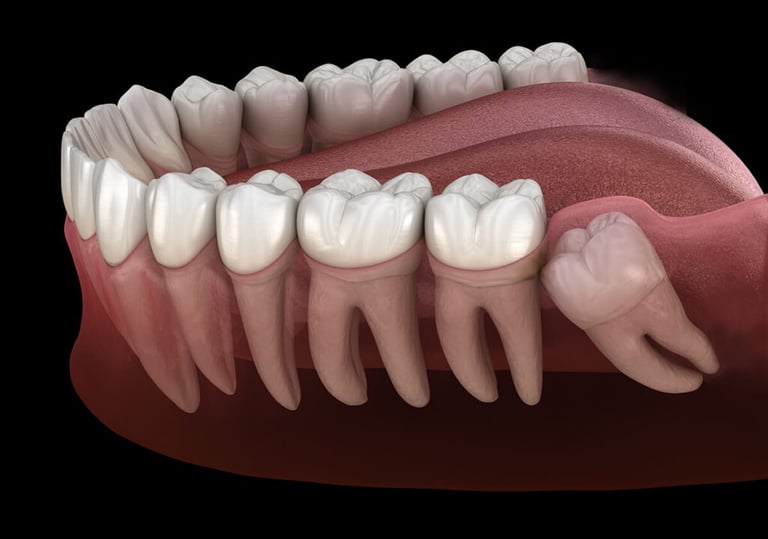
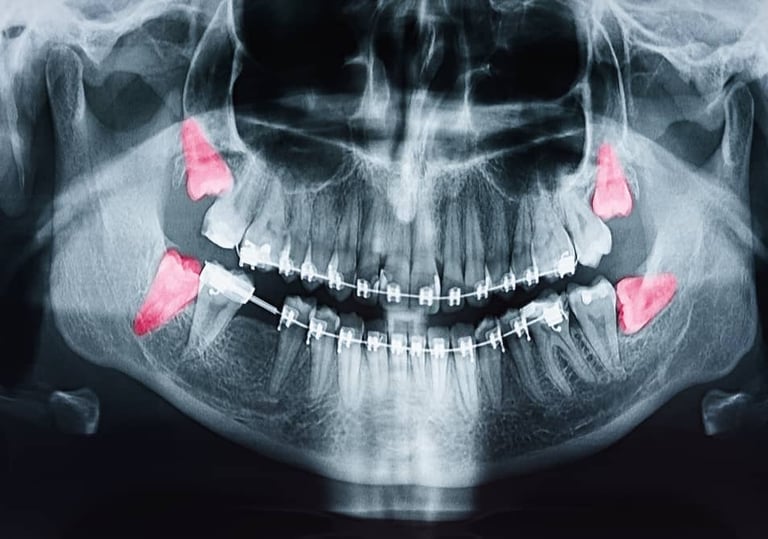
If they cause pain and become impacted even if they don’t come up through the gums; sometimes they can grow in sideways and hit the roots of the neighboring molars or shift things around in the jawbone itself. In cases like this, they would still need to be removed, even if they aren’t visible.
4. All Four Must Come in Before They Can Be Removed
Some people think that you need to wait for all four wisdom teeth to grow in before you can get them removed. As we mentioned earlier, not everyone will grow four wisdom teeth, and not all of them even need to be removed. There are many people who only need to have one or two taken out, or who have their teeth removed in multiple procedures
5. The Surgery Is Painful and You’re Awake the Whole Time
The wisdom tooth extraction itself doesn’t have to be scary. A lot of places offer you options about what anesthesia they use, be it laughing gas (in which case, you would be awake but feel no pain) or one that would put you completely to sleep.
Schedule an Appointment for Your Wisdom Teeth Today
If you’re experiencing pain and soreness in your jaw and in the back of your gums, don’t wait. It could well be caused by wisdom teeth, even if you don’t see them coming through your gums. Get in touch with us at Dentcity Dental Clinic today to schedule an appointment for wisdom teeth removal. We’ll get those pesky wisdom teeth out and set you on the path to good oral health. Our Dentcity Dental Clinic is here to serve all your dental needs.
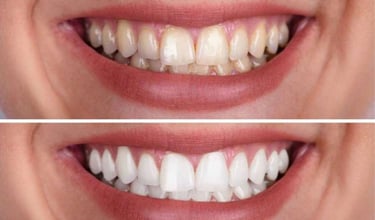
What is tooth whitening?
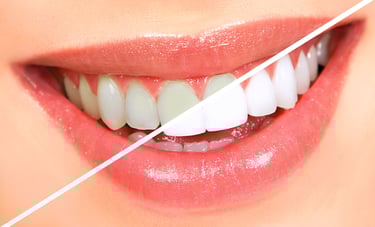
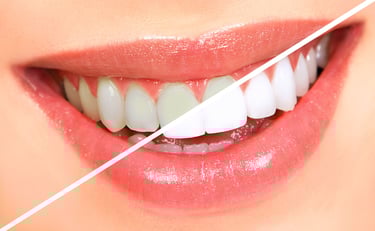
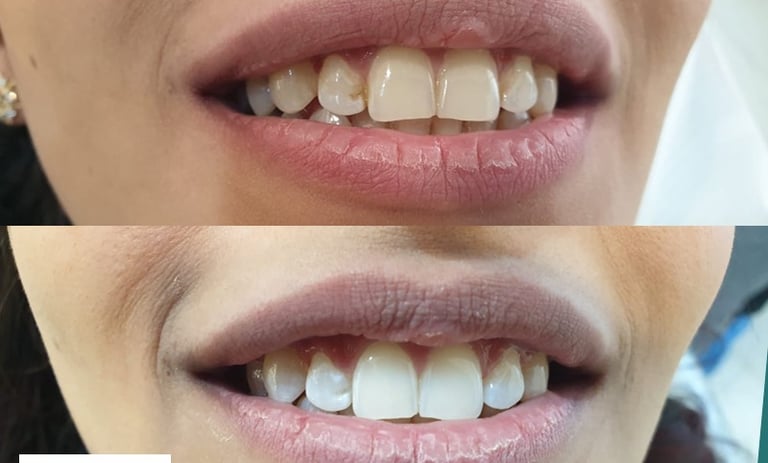
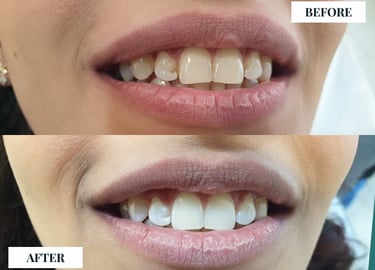
Tooth whitening can be a very effective way of lightening the natural colour of your teeth without removing any of the tooth surface. It cannot make a complete colour change, but it may lighten the existing shade.
Why would I need my teeth whitened?
There are a number of reasons why you might get your teeth whitened. Everyone is different; and just as our hair and skin colour vary, so do our teeth. Very few people have brilliant-white teeth, and our teeth can also become more discoloured as we get older.
What does tooth whitening involve?
Professional bleaching is the most usual method of tooth whitening. Your dental team will be able to tell you if you are suitable for the treatment, and will supervise it if you are. First the dental team will put a rubber shield or a gel on your gums to protect them.
How long does chair-side power whitening take?
Your dentist will need to assess your teeth to make sure that you are suitable for the treatment. Once it has been agreed, this procedure usually takes about one hour.
How much does tooth whitening cost?
Charges will vary from practice to practice and region to region. Laser or power whitening will be more expensive than professional bleaching. We recommend you get a written estimate of the cost before you start any treatment.
How long will my teeth stay whiter?
The effects of whitening are thought to last up to three years. However, this will vary from person to person. The effect is less likely to last as long if you smoke, or eat or drink products that can stain your teeth. Ask your dental team for their opinion before you start the treatment.
Everything You Need to Know About Crowns and Bridge
What Are Bridges and Crowns?
Crowns and bridges are two of the most common types of implants available in dentistry today. They are frequently used to help restore people’s smiles, and at the Dentcity Dental Clinic and imlant center, Dr. Prasad TAYADE and his expert team would be happy to help you get the dental crowns or bridges you need to give you a smile that you are confident about once again.
Why Do I Need to Get a Dental Crown/Bridge
A dental crown or bridge is the most common alternatives to permanent dental implants. You might need a dental bridge if you are missing one or more teeth in a row but have healthy teeth on either side of the missing teeth. The existing teeth can hold the dental bridge, which replaces the teeth that are missing.
What Can I Expect During the Procedure
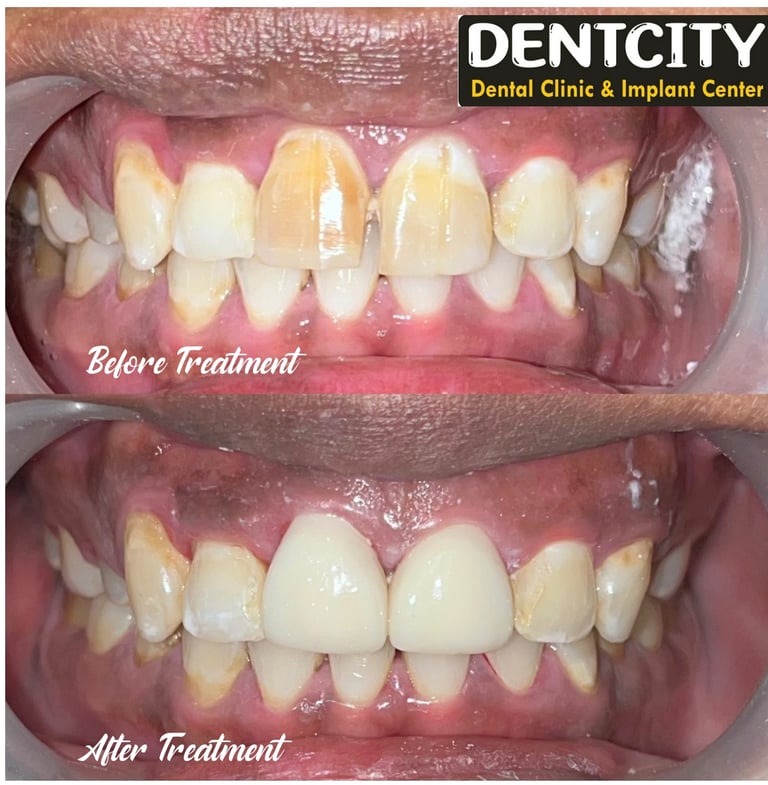
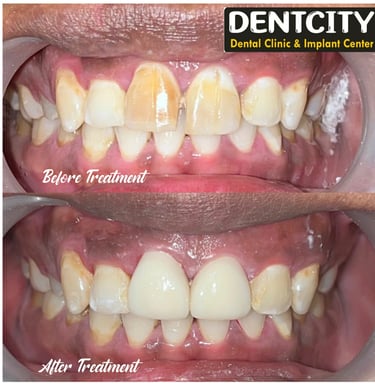
Your dentist will remove damaged pulp from the tooth before cleaning out the cavity, which provides a clean, healthy surface for the crown to get put on the tooth. Dental impressions will get taken of your teeth before you get a temporary crown attached to the tooth. Once the permanent crown gets made. Your dentist will use a special dental cement that will permanently hold the cap to your tooth securely. Once the crown gets bonded to the tooth, he will ensure that it matches the function and appearance of your teeth.
What to expect when getting a bridge
When you are getting a dental bridge put in, your dentist will provide you with a local anesthetic to help you avoid any pain or discomfort that you would otherwise experience. Any necessary root canals or root canals or extractions will get performed. Then, your dentist will take impressions of the necessary areas to create a bridge that fits into your mouth appropriately. While the bridge gets made, the dentist will give you a temporary bridge to wear until the permanent one is ready.
How Do I Care For My Dental Bridge/Crown
Using a toothbrush with a small amount of toothpaste on it is one way to clean your dental bridge/crown. Flossing between the teeth on your bridge is also key to help remove any food particles that might be stuck between the teeth. You should care for dental bridges/crowns just like any of your other permanent teeth. When given proper care, dental bridges/crowns can easily last 10 to 15 years.
Conclusion
Both dental crowns and bridges have helped many patients restore their confidence in themselves and their smile. As technology continues to advance, both dental bridges/crowns have come to look like your permanent teeth. Technology continues to improve, and more and more people have enjoyed having their smiles fully restored.
At Dentcity Dental Clinic , we are here to help you meet all of your dental needs. Please feel free to contact us to set up an appointment for a free consultation today.
Wisdom Teeth Extraction
Teeth Whitening
Crowns and Bridges
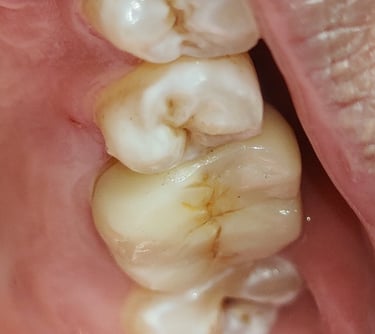
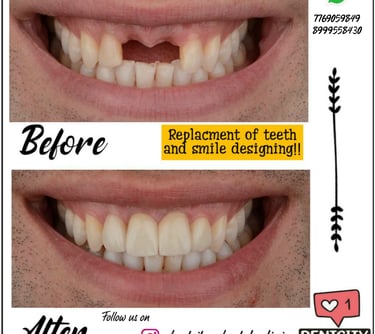
Full Mouth Reconstruction
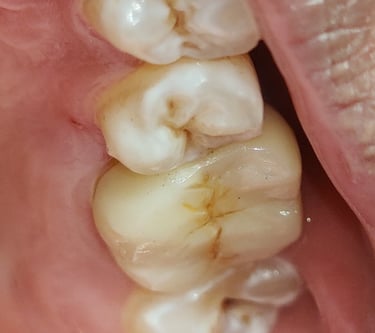
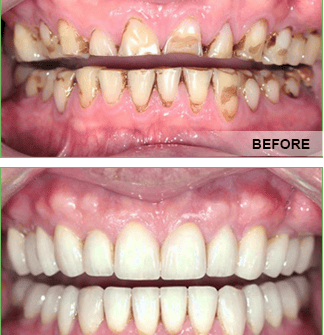
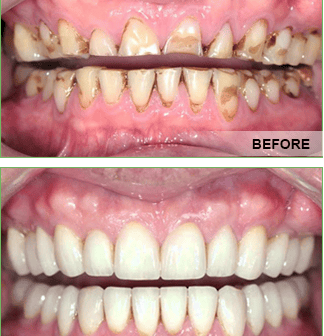
As the name implies, full mouth reconstruction refers to rebuilding and/or replacing all of the teeth in a patient’s mouth. Full mouth reconstructions combine esthetics with the science of restorative dentistry to improve the health, function, and beauty of the mouth.
Who Requires a Full Mouth Reconstruction?
There are a number of people who have dental problems throughout their mouths that must be treated comprehensively with a vision of a final result that improves both function and esthetics. These patients may exhibit multiple missing teeth, numerous teeth with large fillings that are failing or exhibiting decay, cracked or broken teeth, or badly worn teeth due to bruxism (teeth grinding) or other habits.
There is also a group of patients who were born with conditions such as Ectodermal Dysplasia, Ameliogenesis, or Dentinogenisis Imperfecta that will need extensive restoration of their teeth. These patients may be candidates for a full mouth reconstruction.
Treatment Options for a Full Reconstruction
In general, any dental treatment that affects all teeth in the mouth is called full mouth reconstruction or full mouth rehabilitation. Some treatment options for oral cancer may require the patient to undergo a unique type of full mouth reconstruction that not only involves the replacement of missing teeth, but potentially restoration of missing structures of the oral cavity.
The treatments can include onlays, crowns, bridges, veneers, dental implants, and/or dentures that will essentially provide not only a "smile makeover", but improved chewing efficiency for the patient. In some patients, other specialties will orthodontics may also be employed to facilitate the best possible outcome.
Dr. Prasad Tayade Full Mouth Rehabilitation specialist, he is a renowned dentist attached to many other clinic in Pune as a Full Mouth Rehabilitation specialist
Full Mouth Rehabilitation
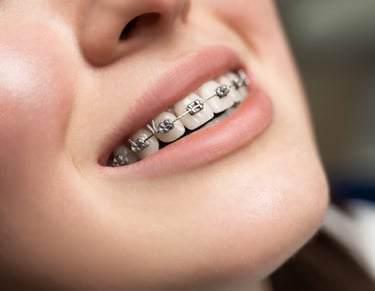
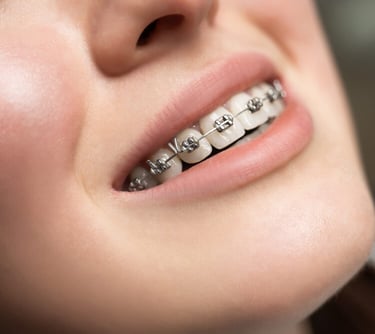
What is orthodontic treatment?
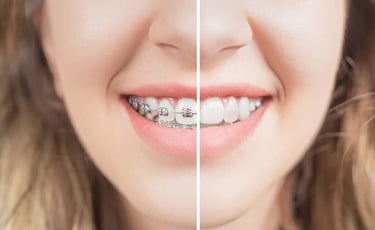
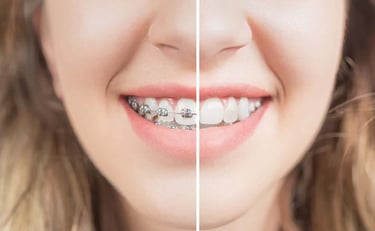
Orthodontic treatment is a way of straightening or moving teeth, to improve the appearance of the teeth and how they work. It can also help to look after the long-term health of your teeth, gums and jaw joints, by spreading the biting pressure over all your teeth.
Many people have crowded or crooked teeth. Orthodontic treatment will straighten the teeth or move them into a better position. This can improve their appearance and the way the teeth bite together, while also making them easier to clean.
At what age should I have orthodontic treatment?
The best time is generally during childhood, but adults can have orthodontic treatment too - and more and more are doing so. Age is less important than having the right number of teeth. In children it may be necessary to wait for enough teeth to come through before starting treatment.
What are 'invisible braces'?
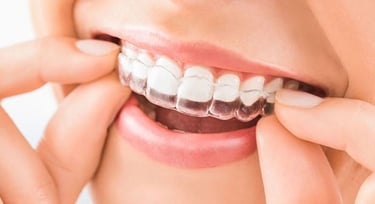
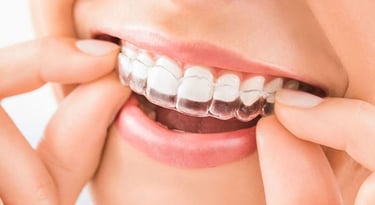
They are tough, clear plastic 'aligners' (moulds) that are used to straighten teeth. Several sets of specially moulded, slightly different aligners are made for each patient. Each set is worn for two weeks before being replaced with the next one. The aligners should be worn for 22 to 23 hours a day for the best results. They can be easily removed for eating, drinking, brushing, and for cleaning in between your teeth. You need to have all your adult teeth before you can have this treatment.
How long will it take?
The length of treatment depends on how severe the problem is, and it may take anything from a few months to two-and-a-half years. Most people can be treated in one to two years.
What happens when the teeth are in the right position?
When treatment is finished the teeth need to be held in position for a time. This is called the ‘retention' period, and the appliances that hold the teeth in place are called retainers.
The retainers hold newly straightened teeth in position while the surrounding gum and bone settles. The retainers can be removable or fixed, depending on the original problem.
Is orthodontic work permanent?
Even after retention, it is normal for minor tooth movements to happen throughout life. So no permanent guarantee can be given. However, it is unusual for teeth to alter enough to need more treatment.
How do I go about getting orthodontic treatment?
The first thing to do is to visit your own dental team and get their advice. Your dental team will know whether you need treatment and will make the necessary arrangements.
Orthodontic Treatment
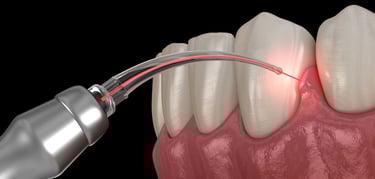
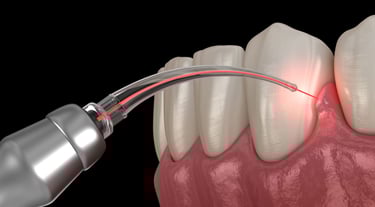
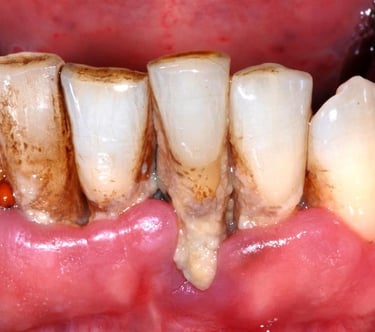
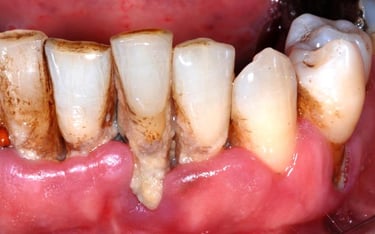
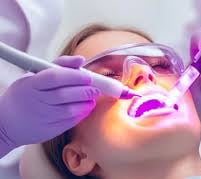
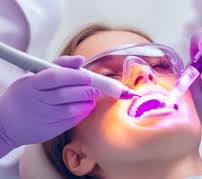
Gum disease treatment may be nonsurgical or surgical, depending on the stage of disease and your oral and overall health. Nonsurgical treatments include scaling and root planing and antibiotics. Surgical options include pocket reduction surgery and guided tissue regeneration
What is gum disease treatment?
Gum disease occurs when plaque and tartar build up on your teeth surfaces. Your gums react to the bacteria in these irritants and become red, swollen and tender. Your gums may also bleed when you brush or floss.
The sooner you treat gum disease, the better chance you have for long-lasting oral health. At its earliest stage (gingivitis), gum disease is reversible. But the later stages (periodontitis) damage your gums and underlying bone. This results in gaps — or periodontal pockets — around your teeth, leading to further infection, loose teeth and even tooth loss.
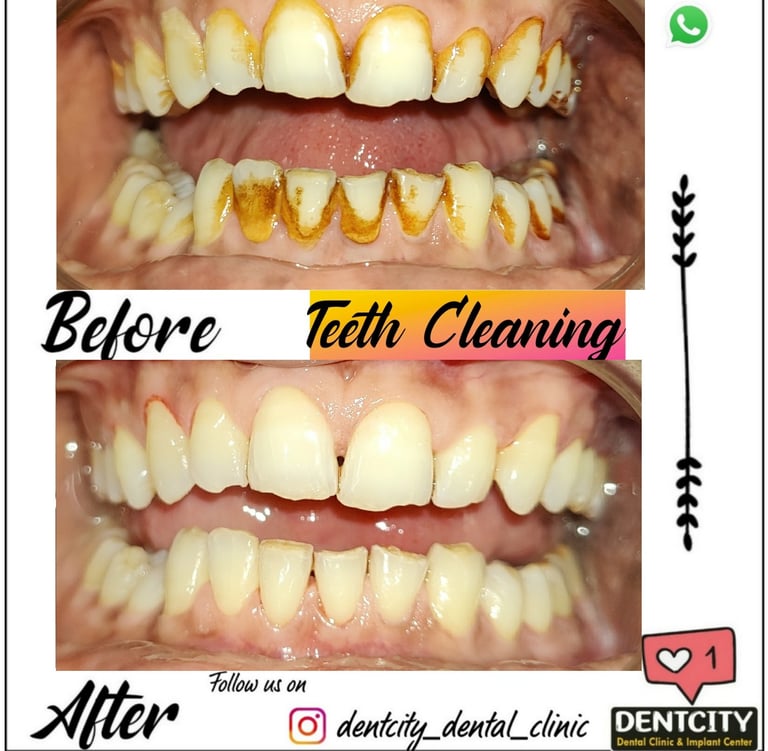
Dental prophylaxis
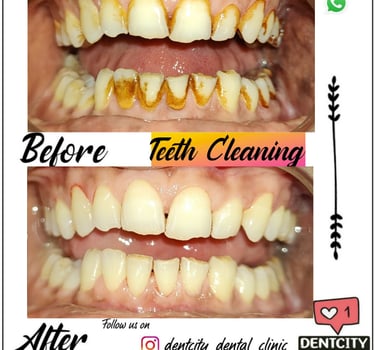
Dental prophylaxis is a routine dental cleaning — like the one that many people have with their hygienist twice a year. During this procedure, a provider removes plaque and tartar from your teeth surfaces.
Surgical gum disease treatments
Removing the tartar buildup and clean your root surfaces. Smooth and reshape areas of damaged bone, making it harder for bacteria to hide and grow. Finally, we reposition your gums and suture them into place.
Gum disease
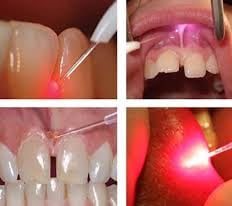
Laser Treatments
Laser dentistry potentially offers a more comfortable treatment option for a number of dental procedures involving hard or soft tissue compared to drills and other non-laser tools.
LASER stands for “light amplification by the stimulated emission of radiation.” The instrument creates light energy in a very narrow and focused beam. This laser light produces a reaction when it hits tissue, allowing it to remove or shape the tissue.
Laser dentistry is used in a variety of procedures, including:
treating hypersensitivity
treating tooth decay
treating gum disease
whitening teeth
Lasers can make dental treatments more efficient, cost effective, and comfortable. The Food and Drug Administration (FDA) has approved laser dentistry as a treatment option for several dental conditions.
How are laser treatments performed?
The two main types of procedures used for laser dentistry are hard tissue and soft tissue procedures. Hard tissue refers to the teeth, and soft tissue refers to the gums.
Common hard tissue procedures include:
Cavity detection. Lasers can detect cavities early by finding evidence of tooth decay.
Tooth preparations and dental fillings. Local anesthesia and traditional drills are often not needed with laser treatments. Lasers can kill bacteria in a cavity, which can aid in the long-term health of a tooth.
Treating tooth sensitivity. Teeth that have sensitivity to hot and cold can be treated with dental lasers that seal tubules on the tooth’s root.
Common soft tissue procedures include:
Treating a “gummy smile.” Lasers are used to reshape gum tissue associated with “gummy smile,” in which the gums’ length covers much of the tooth.
Crown lengthening. This procedure reshapes both gum tissue and bone for healthier tooth structure, which helps with placing restorations on the teeth.
Treating tongue frenulum attachment. Those with a thick or tight frenulum (the fold of skin under the front part of tongue that anchors to the mouth floor) may benefit from a laser frenectomy. This treatment helps children whose restricted frenulum causes them to be tongue-tied, have difficulty breastfeeding, or have a speech impediment.
Removing soft tissue folds. Lasers can remove soft tissue folds from ill-fitting dentures without pain or sutures.
Ceramic Veneers
What are the benefits of dental veneers?
The biggest benefit to veneers is improving the appearance of your teeth, giving you a brighter and more even smile. Dental veneers are often used to treat the following cosmetic occurrences:
Broken or chipped teeth
Severe discoloration or uneven coloring that can’t be fixed with whitening
Gaps in the teeth
Smaller-than-average teeth
Pointed or unusually shaped teeth
Veneers can last for more than a decade, depending on the type of veneer you choose, making them a semipermanent investment that can make you more confident in your smile.